
The Best Food Markets Around the World
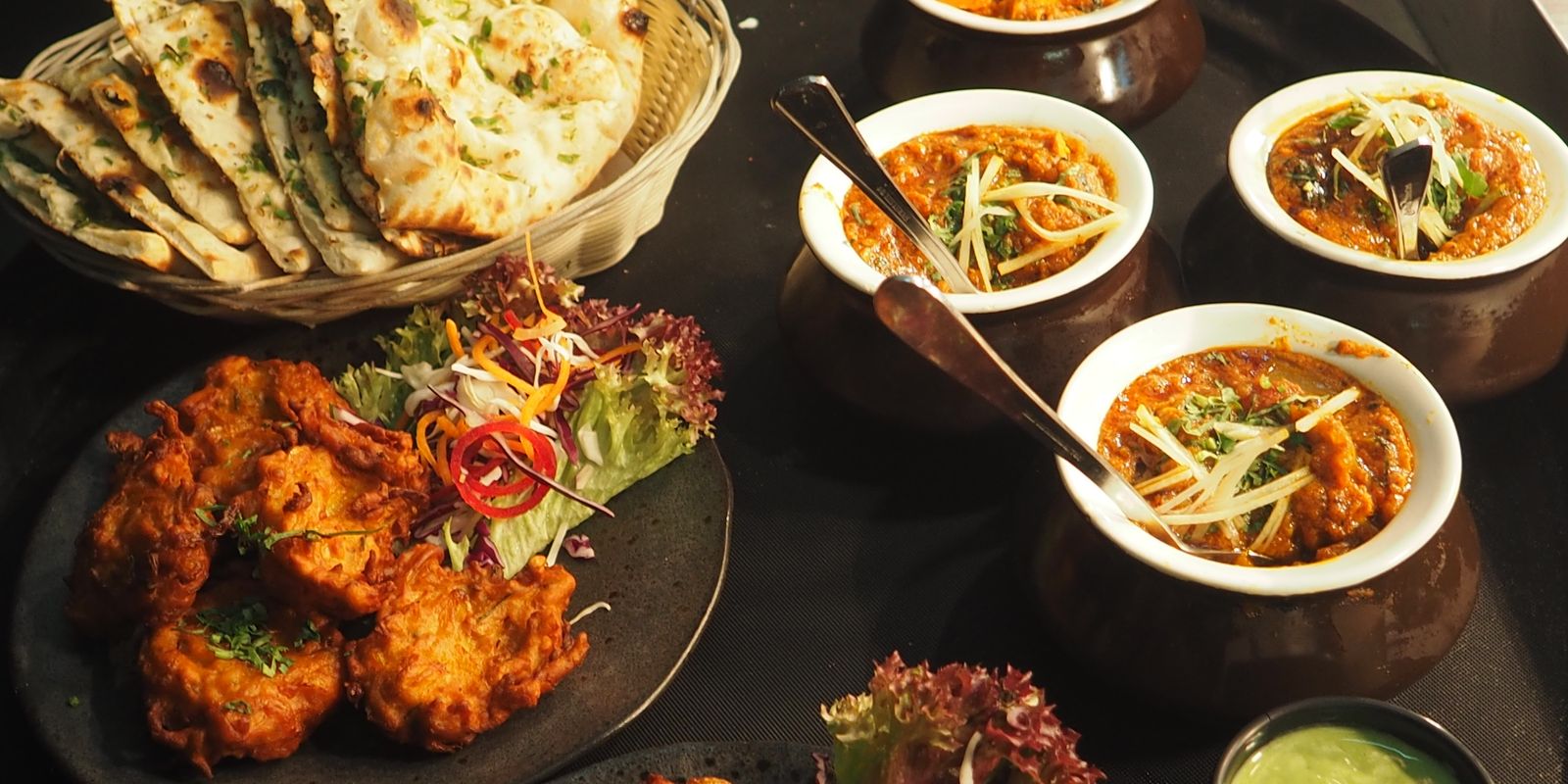
Food markets are cities thinking out loud about breakfast. The famous ones are crowded because they work: stallholders who turn stock, specialties you cannot get in a chain, a rhythm of the day. Tsukiji's inner market moved to Toyosu; the outer stalls and the idea remain. Borough Market in London, La Boqueria in Barcelona, Nishiki in Kyoto, Melbourne's Queen Victoria Market, Mexico City's halls, a night market in Taipei—these are not “hidden.” They are infrastructure. Treat them that way.
Go for the working hours, not the selfie hour
Fish markets peak early. Pastry stalls sell out. Night markets are a different clock. If you arrive when the tour buses do, you will pay display prices for tired fruit. Ask what is in season; it is the same question as at a farmers market at home. Eat standing up. Buy one thing you cannot name and one thing you will take on the train. Serious Eats and local writers still publish stall-level guidance; a five-year-old list may be stale—walk and look at turnover. Empty ice and a long queue of locals beat a multilingual sandwich board.
A short list of halls that still teach you a city
Tokyo: Toyosu for the auction theater if you can get in, outer stalls and depachika basement food halls for the rest. Kyoto: Nishiki for pickles, fish, and knife shops. London: Borough for British produce and a crowded lunch; Maltby Street and smaller halls for a less crushed version. Barcelona: La Boqueria is real and also a tourist crush—go early or also visit a neighborhood mercat. Melbourne: Queen Victoria. Mexico City: a different hall every day if you have the time. New York: not a single “best,” but Essex, a greenmarket, and a borough's ethnic strips. The best market is the one where people buy dinner, not only souvenirs.
How to shop a foreign market without being a problem
Cash in small bills where it is still the culture. Do not touch with both hands if the stall is a display. Point, smile, take the bag. You are in someone's workplace. Photos of faces need a question. Food safety is local: follow the crowd of office workers, not the crowd of cameras. If you have a kitchen—an Airbnb with a burner—buy produce and cook it. That is farm-to-table on the road. If you only have a hotel, eat it now. Wine and cheese at a European market follow the same pairing logic as at home; you just get better wedges.
Bring the market home without the suitcase cheese
Spices, teas, a sauce bottle that will not leak, a snack that is actually from there. Skip the giant cheese and the fresh sausage at the airport. Eataly and specialist importers exist for a reason. Thrive Market will not replace Nishiki. A cookbook from the cuisine and a bottle of the right condiment will. NYT Cooking and specialist blogs let you keep cooking the thing you ate on a stool. The market was a lesson in season and craft. The suitcase is a terrible cooler.
The takeaway
Arrive when the workers do, eat what is turning over, and take home a bottle, not a perishable trophy. The best markets are still for the city first.


