The Psychology of Fashion: How Clothes Affect Your Mood
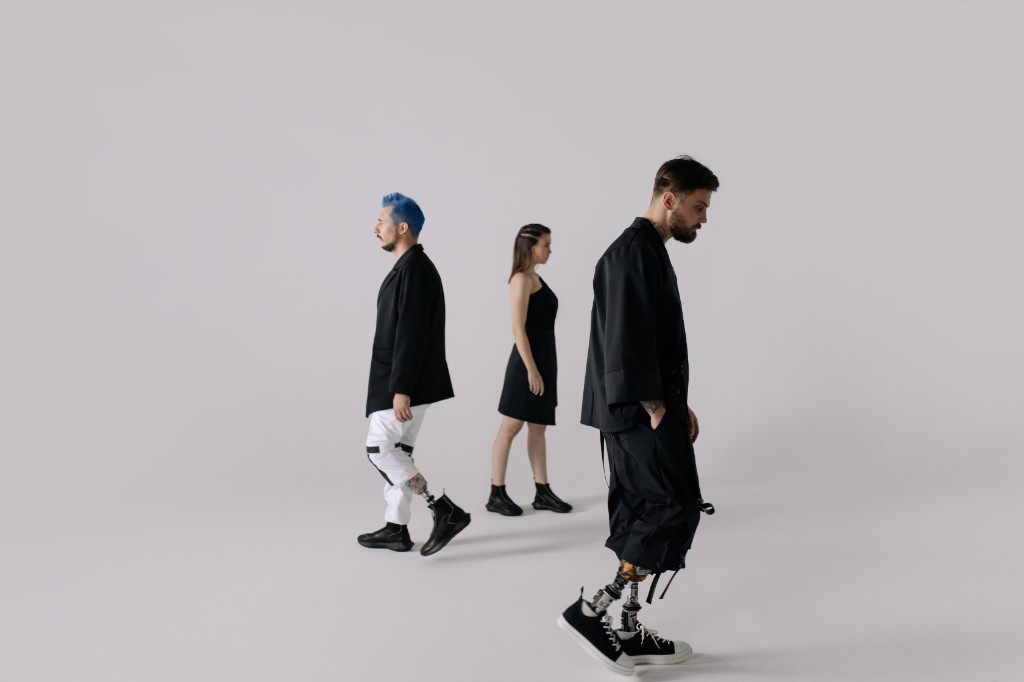
You already know the Sunday feeling of a worn-in sweatshirt and the different spine you get in a structured coat. Psychologists describe a slice of that as enclothed cognition: the symbolic meaning of a garment plus the physical experience of wearing it. Fashion will not fix a diagnosis. It will change posture, how long you stay at a party, and whether you take the meeting camera on. Use that on purpose: a sharp blazer on a low-energy workday, soft knits when you need to come down, color when the week has been gray.
What you put on changes how you occupy a room
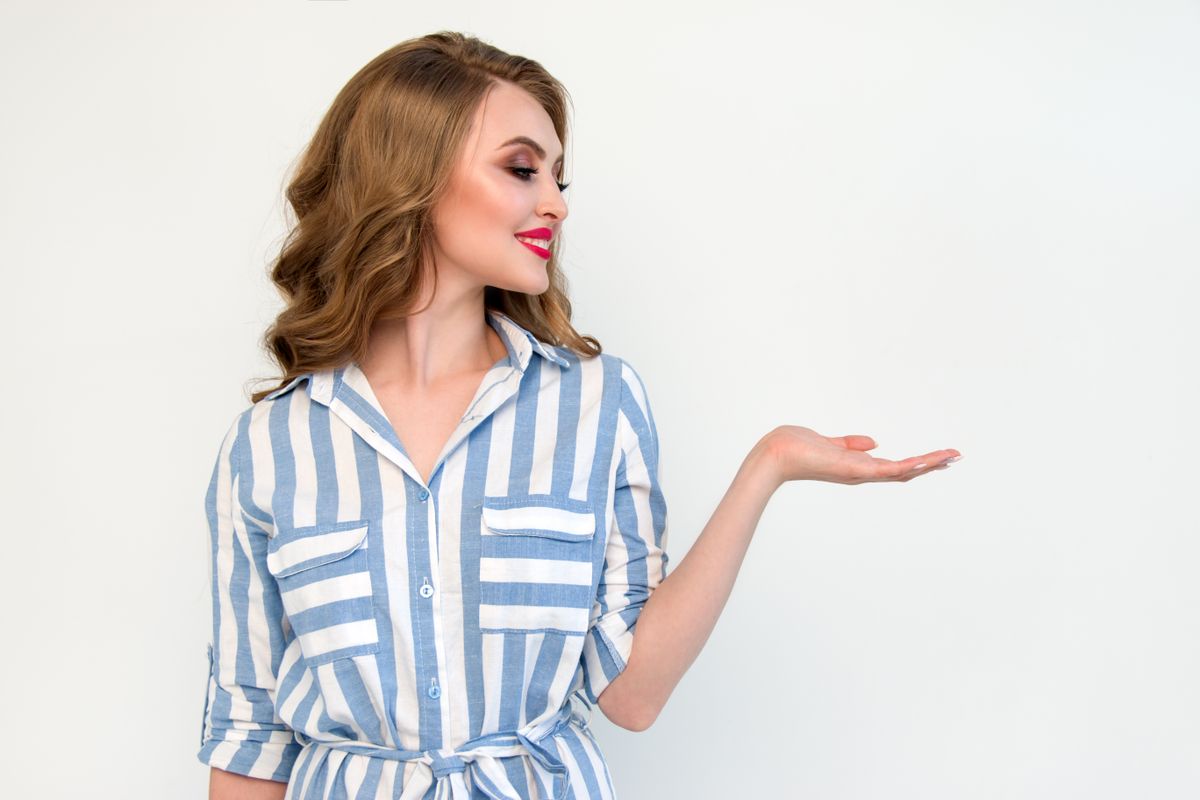
A defined shoulder and a shoe with a bit of structure often slow your slouch; that is biomechanics as much as metaphor. Soft, oversized everything can feel like safety and can also make you disappear in a bright office. Neither is morally better. If a jacket makes you keep your phone in a pocket and your hands free, you will talk differently. Athletes put on a kit and switch modes; a commute uniform can do a smaller version of the same job. Pay attention to the first twenty minutes after you dress. That is data.
Color and texture as mood tools, not personality tests
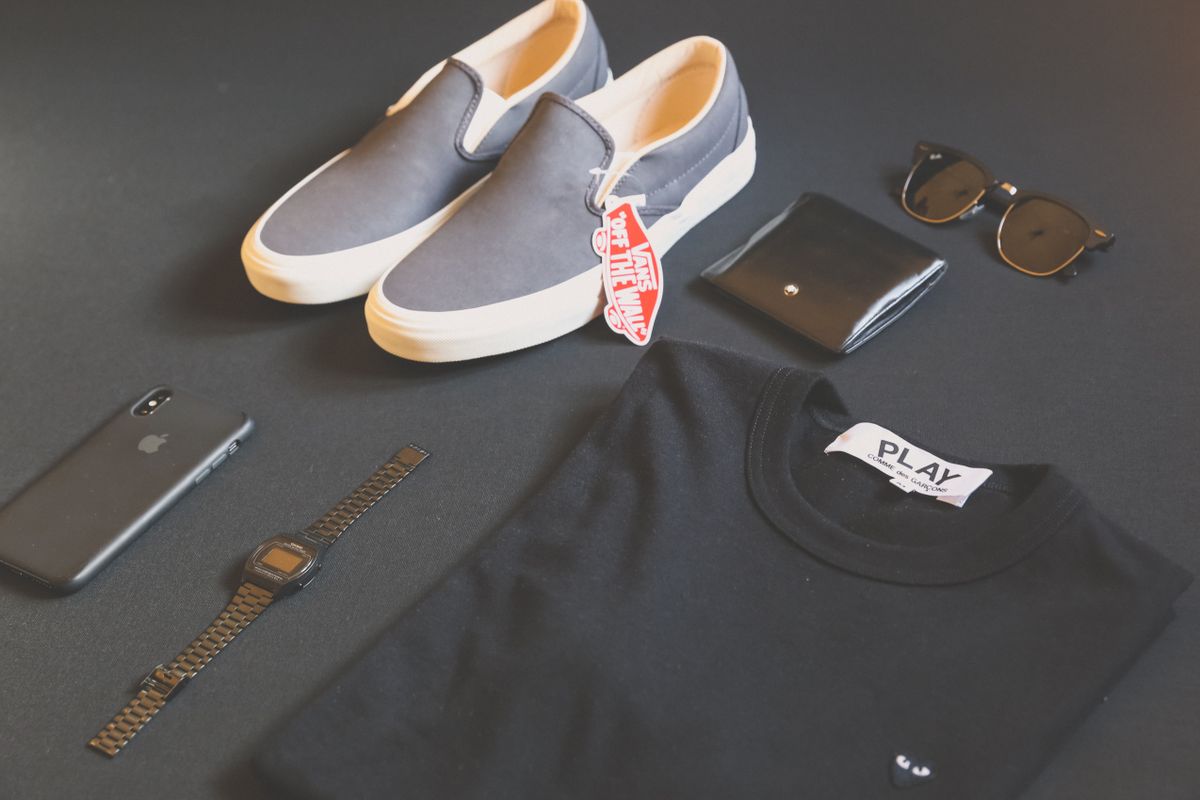
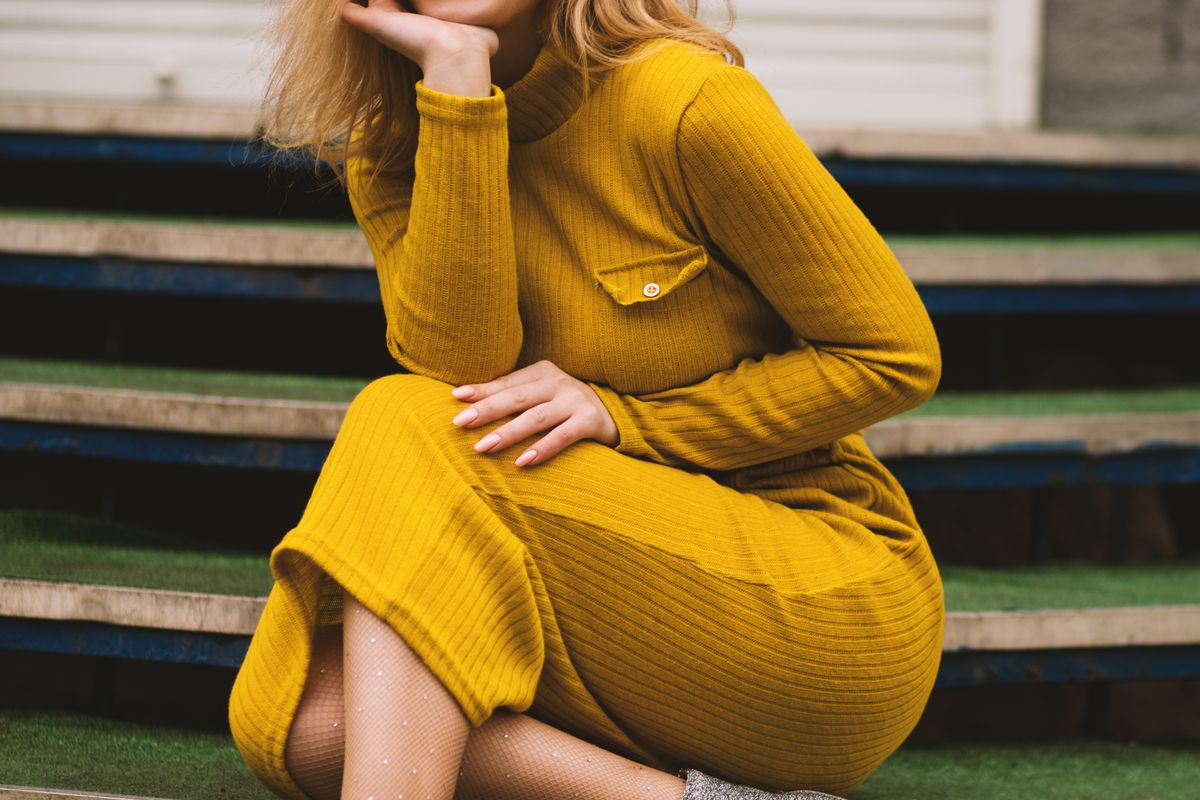
You do not need a quiz that maps navy to “trust.” You need to notice that a rust knit photographs warm in winter light or that black can feel like armor or like a hole, depending on the fabric. Texture matters: scratchy sequins at a lunch will keep you irritable; a Lululemon or merino layer can keep the nervous system quieter on a travel day. If a color you love never leaves the hanger, it may be a lighting problem at home, not a psychology problem. Try it outside.
Uniforms, decision fatigue, and why capsules feel calmer
A short, repeating work uniform reduces morning negotiation, which is why so many designers and founders live in the same trouser. That calm is the point. A chaotic rail of almost-outfits does the opposite: every morning is a test. Capsules and even a weekday uniform in Everlane or Uniqlo are cognitive tools. Save the experimental mixing for Saturday when the meeting is not at 9. The mood benefit is fewer decisions, not a more virtuous person. Lay out the week’s five looks on Sunday if you hate mornings; the psychology is the same as meal prep, with better trousers.
Shopping, dopamine, and the crash after the parcel
The click, the tracking email, the unboxing—those are a reward loop. They are not the same as a garment that gets worn. If parcels are how you regulate a hard week, put a 48-hour delay on checkout and walk the existing closet first. Repair and restyle give a smaller, slower reward that does not leave a return pile. Fashion can lift a day. It should not be the only lever. When clothes are standing in for rest or for friends, the next useful move is not another Revolve order.
The takeaway
Dress on purpose for the next few hours: structure when you need to show up, softness when you need to land, fewer choices when the week is loud. Notice how a garment changes your posture before you buy another story about your identity. Mood is a reason to edit, not to hoard.